The Kobuk and Ivishak Rivers, August into September
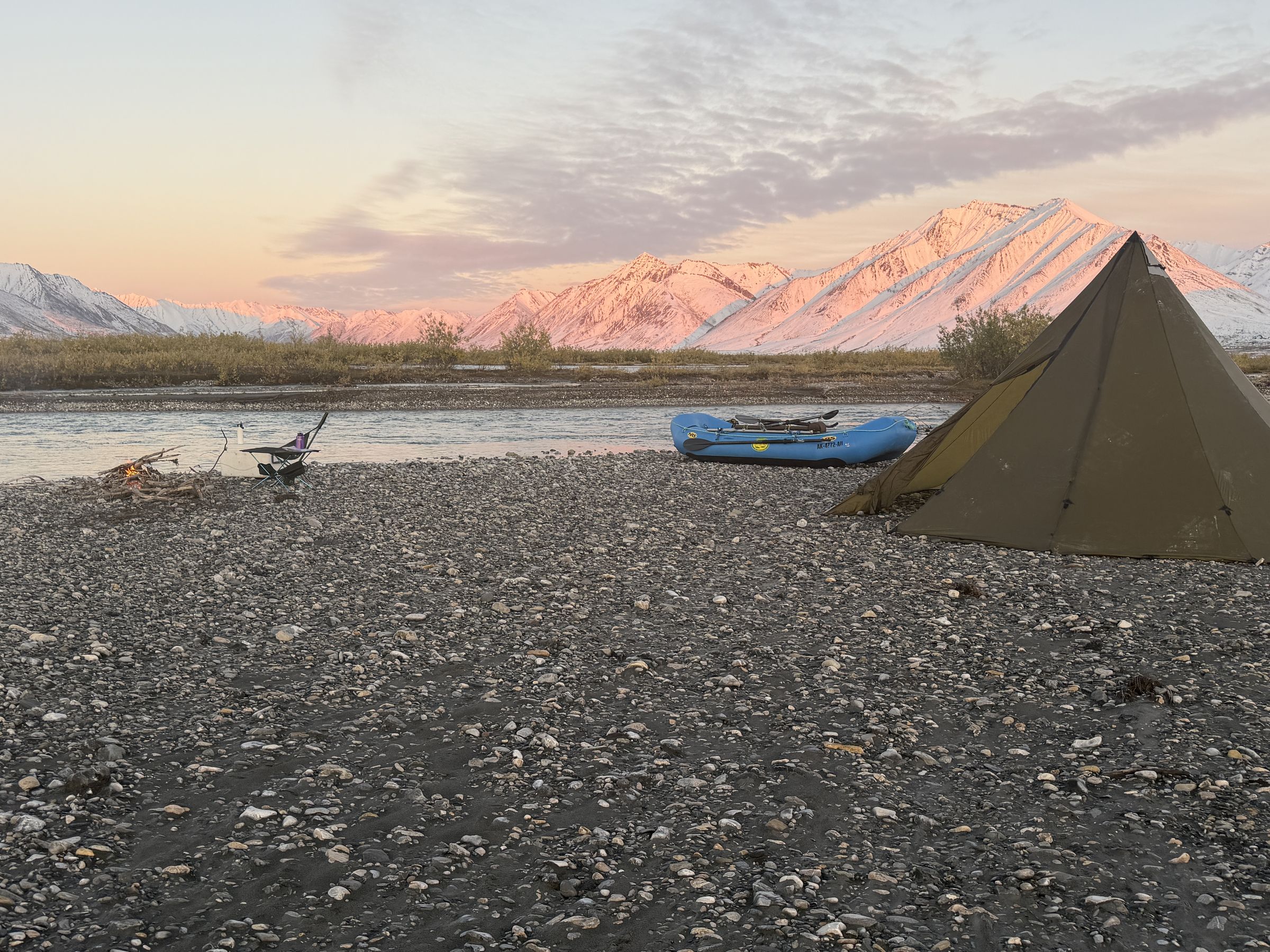
Remote Waters runs small-group guided float trips on the Kobuk and Ivishak rivers from August into September. We travel by raft, camp along the river, and fish our way downstream, with time to explore beyond the fishing.
Getting here means flying into the Brooks Range by bush plane. There are no roads to the stretches we fish. Once the trip begins, the river becomes the road.
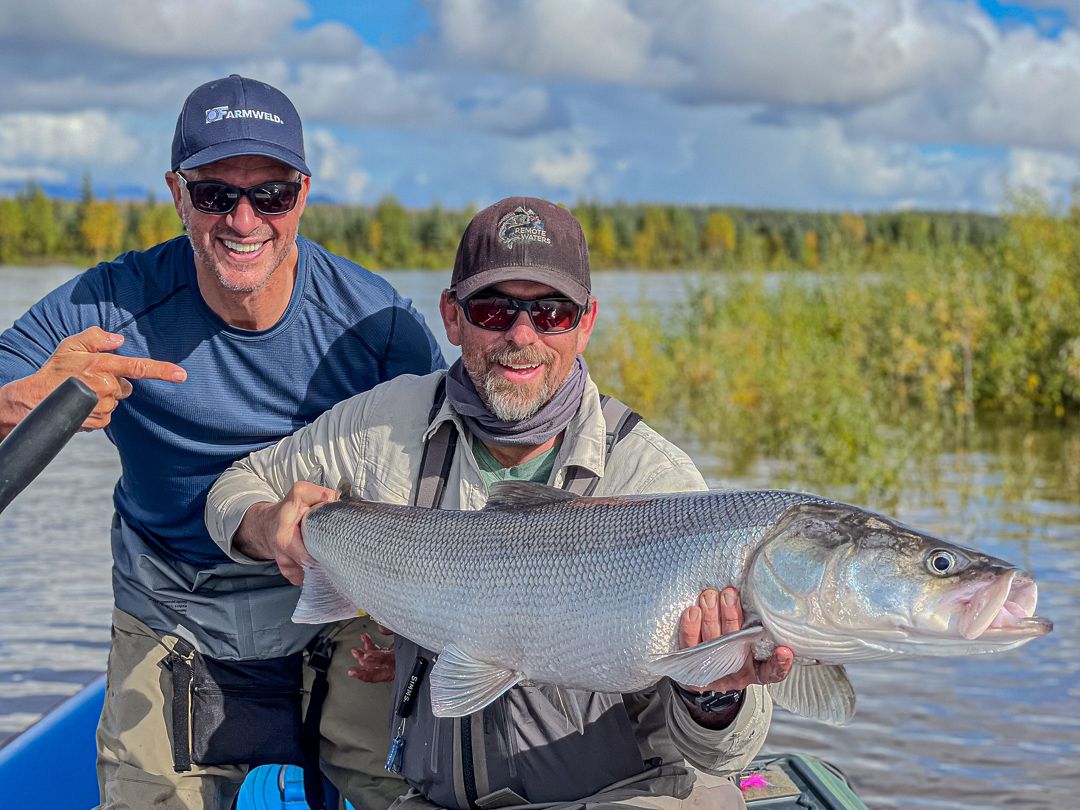
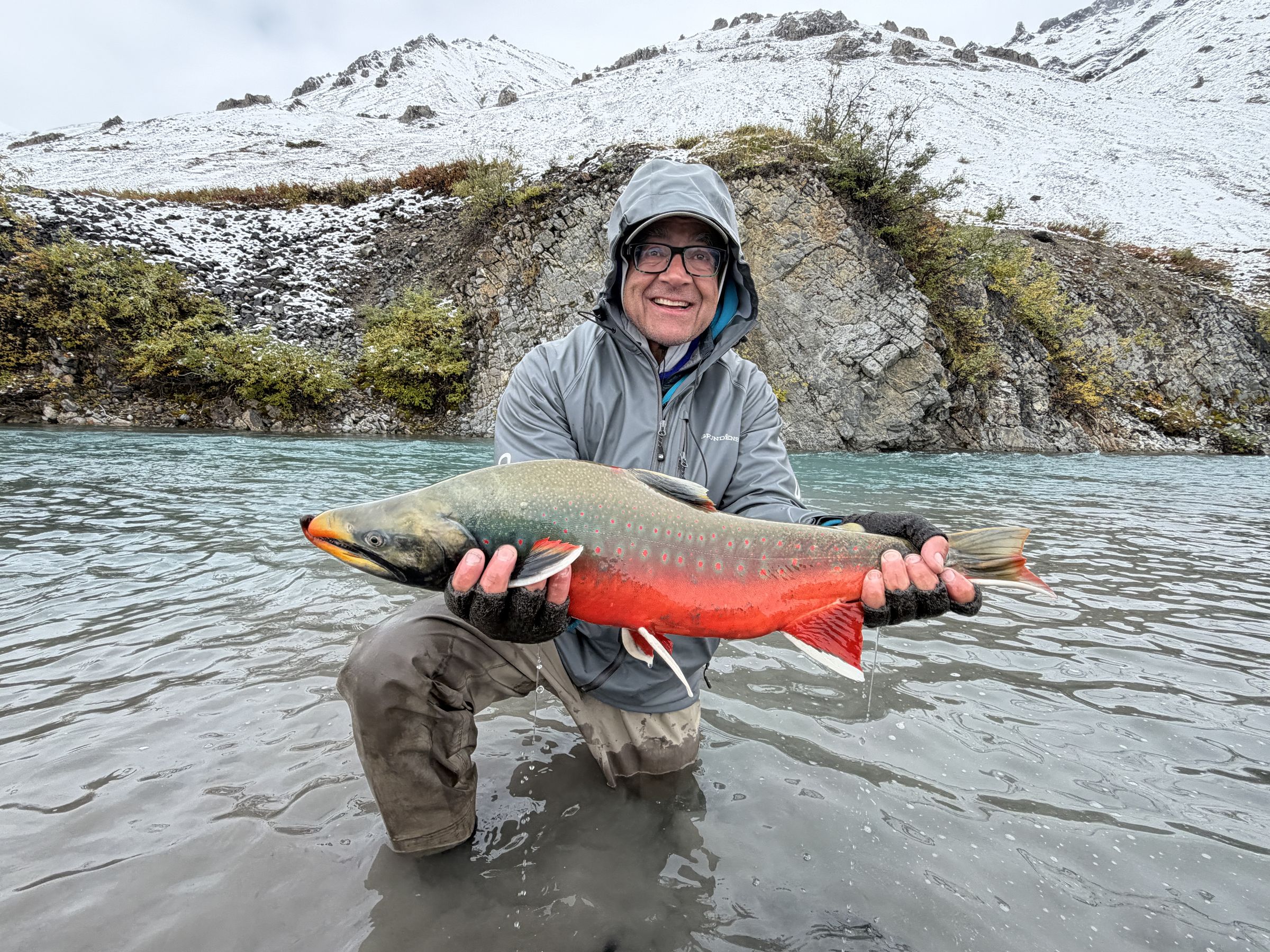
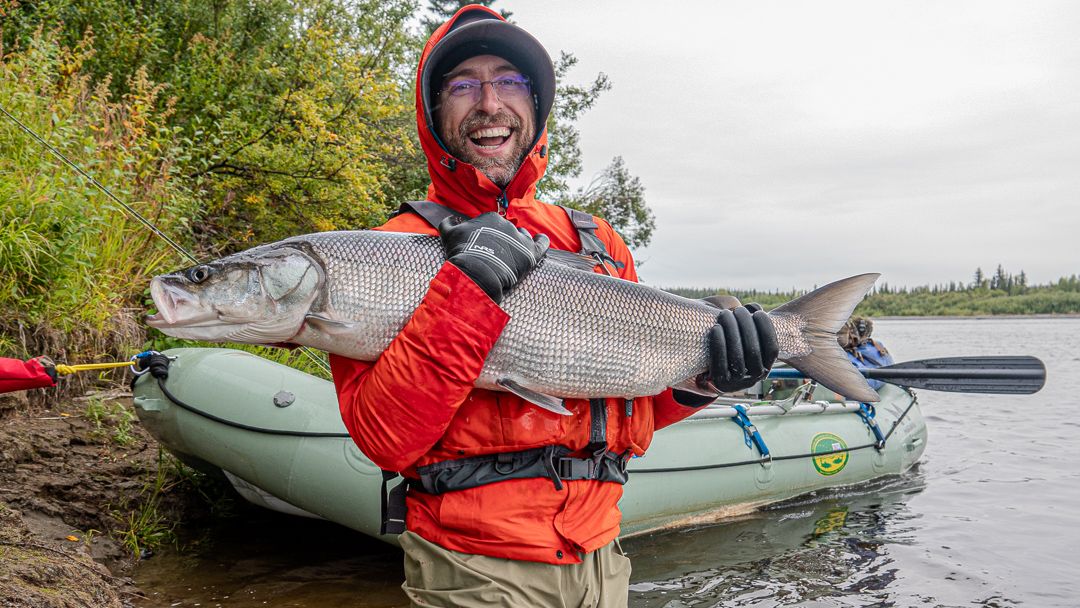
The fishing is distinctly Arctic. On the Kobuk, large sheefish move upriver toward their spawning grounds, a fly-fishing opportunity found in only a handful of northern river systems. On the Ivishak, colorful Dollies congregate to spawn and wait out the long, dark winter months. Arctic grayling thrive in both systems and make for lively fishing on a light line.
Groups are limited to four guests. Guides handle the boats, set up tents, and prepare meals, leaving you time to fish, explore, and settle into camp.

Trips begin in Gates of the Arctic National Park and Preserve and follow the late-summer sheefish migration. Grayling and pike round out the fishing.
Fish
Sheefish, Arctic grayling, northern pike
Trip length
6–9 days
Season
Early August into late September
Group size
Up to four guests
A classic North Slope river with headwaters in the Brooks Range, the Ivishak flows north through the Arctic National Wildlife Refuge. It offers excellent Dolly Varden fishing and open terrain that makes it easy to leave the river and explore on foot.
Fish
Dolly Varden, Arctic grayling
Trip length
10–11 days
Season
Mid-August into early September
Group size
Up to four guests
Sometimes called inconnu, sheefish are the largest members of the whitefish family, aggressive fish-eating predators that migrate up the Kobuk each summer from their brackish winter refuge. They are strong, fast, and capable of long runs in heavy current. We fish large streamers on sink-tip lines, stripped through deep runs or swung across current seams and tailouts where migrating fish pause. Takes are often abrupt and decisive. Encounters are never guaranteed, but they are rarely forgotten.
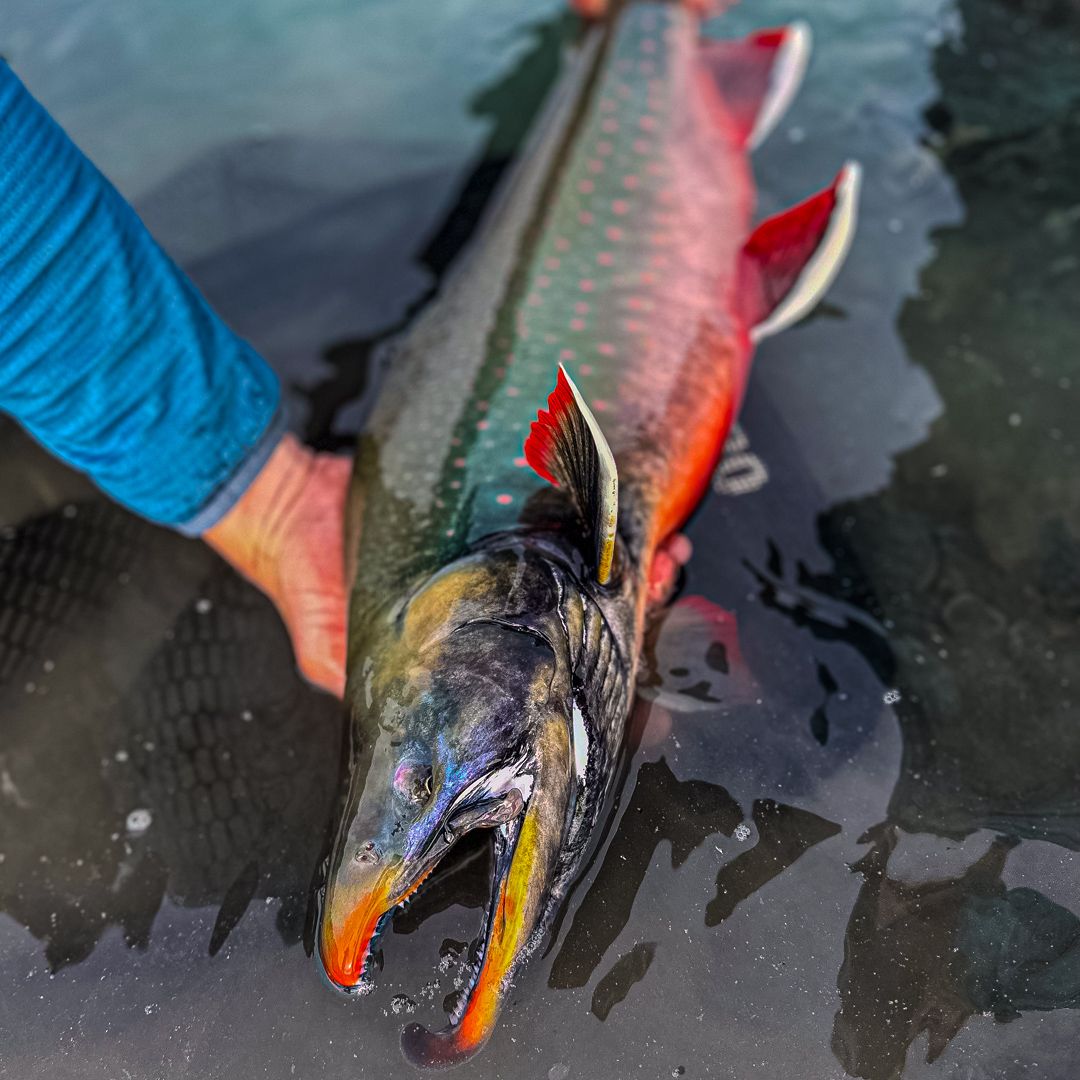
One of the defining fish of Alaska’s North Slope rivers, Dolly Varden move into the Ivishak each summer and gather in the runs and pools of the upper drainage as spawning approaches. By late August and early September, mature fish can be brilliantly colored, with deep orange and red flanks marked by contrasting spots.
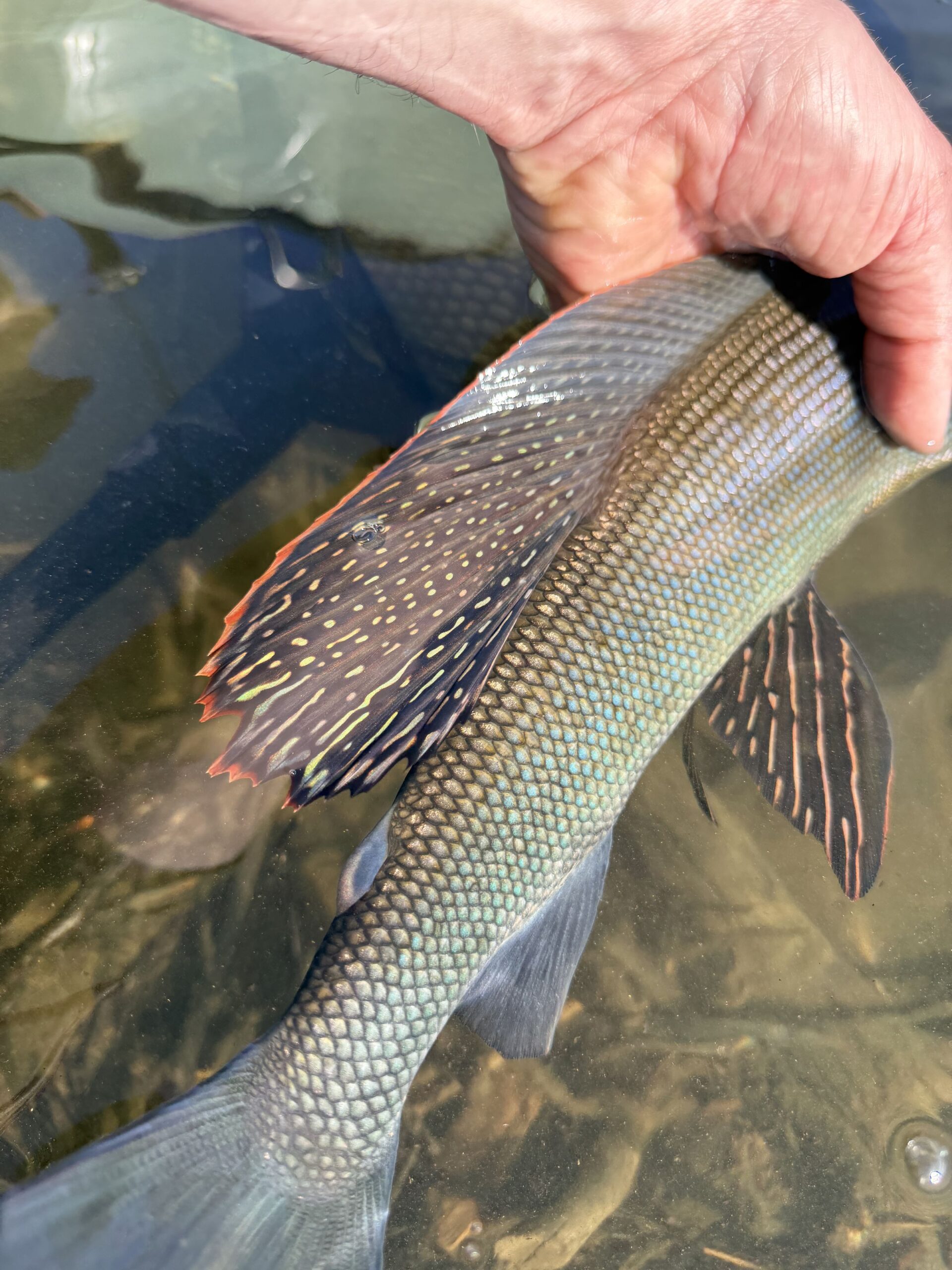
Arctic grayling are unmistakable, with oversized, sail-like dorsal fins. Found in both rivers, they take dry flies, nymphs, and small streamers on lighter tackle than we use for sheefish or Dollies. They can provide excellent fishing between encounters with the larger migratory species.
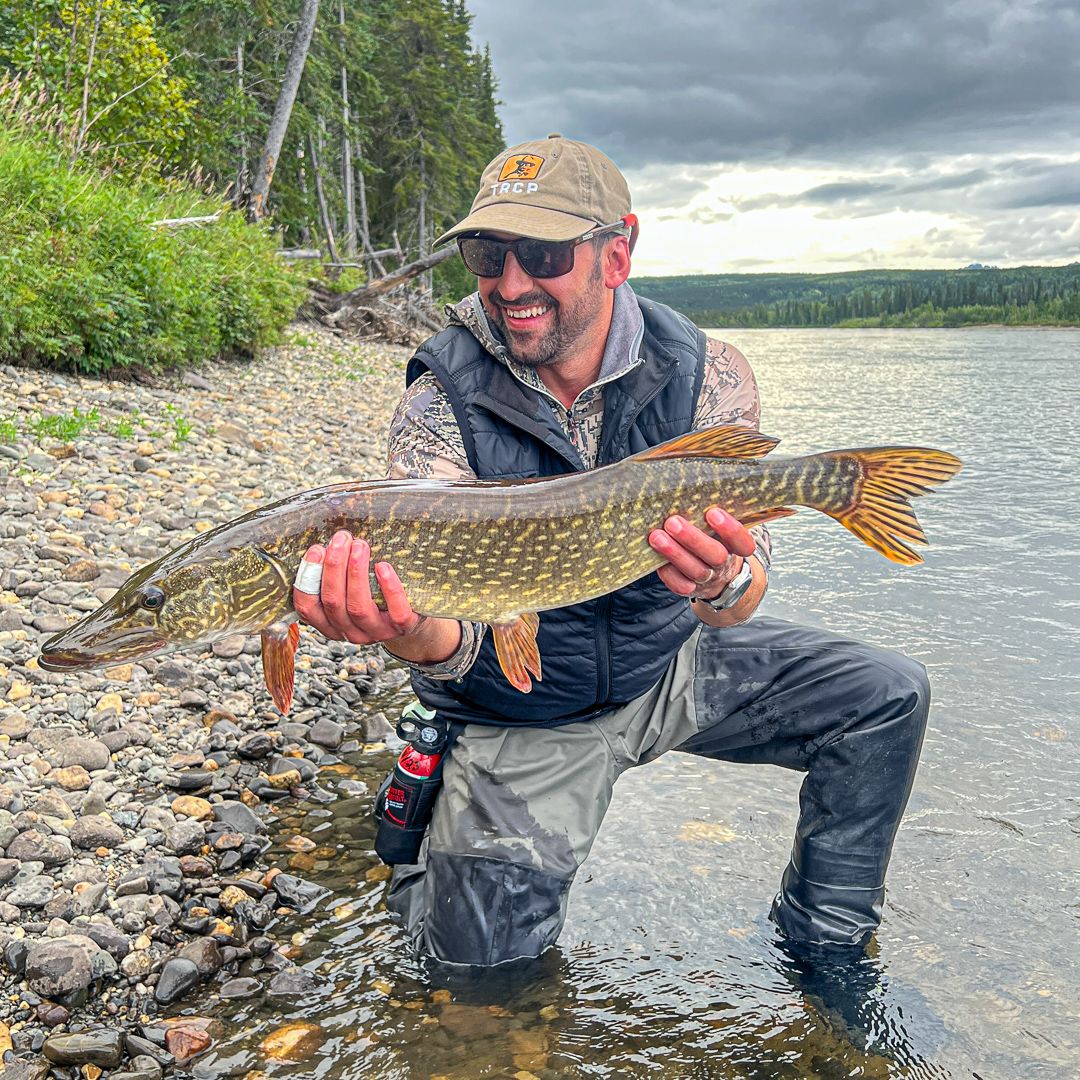
On the Kobuk, pike lurk in slower side channels and sloughs, often a short distance from the faster water where we are fishing for sheefish. They are aggressive, take large streamers readily, and in shallow water can make topwater fishing a real thrill.
Our trips run from August into September, and the timing follows the fish and the season. Sheefish are moving upriver on the Kobuk toward their spawning grounds, and sea-run Dollies are gathering in the upper Ivishak. By this point in the summer, water levels have typically dropped after early-season runoff and the worst of the bugs have passed, though these are wild rivers, and conditions can be highly variable.
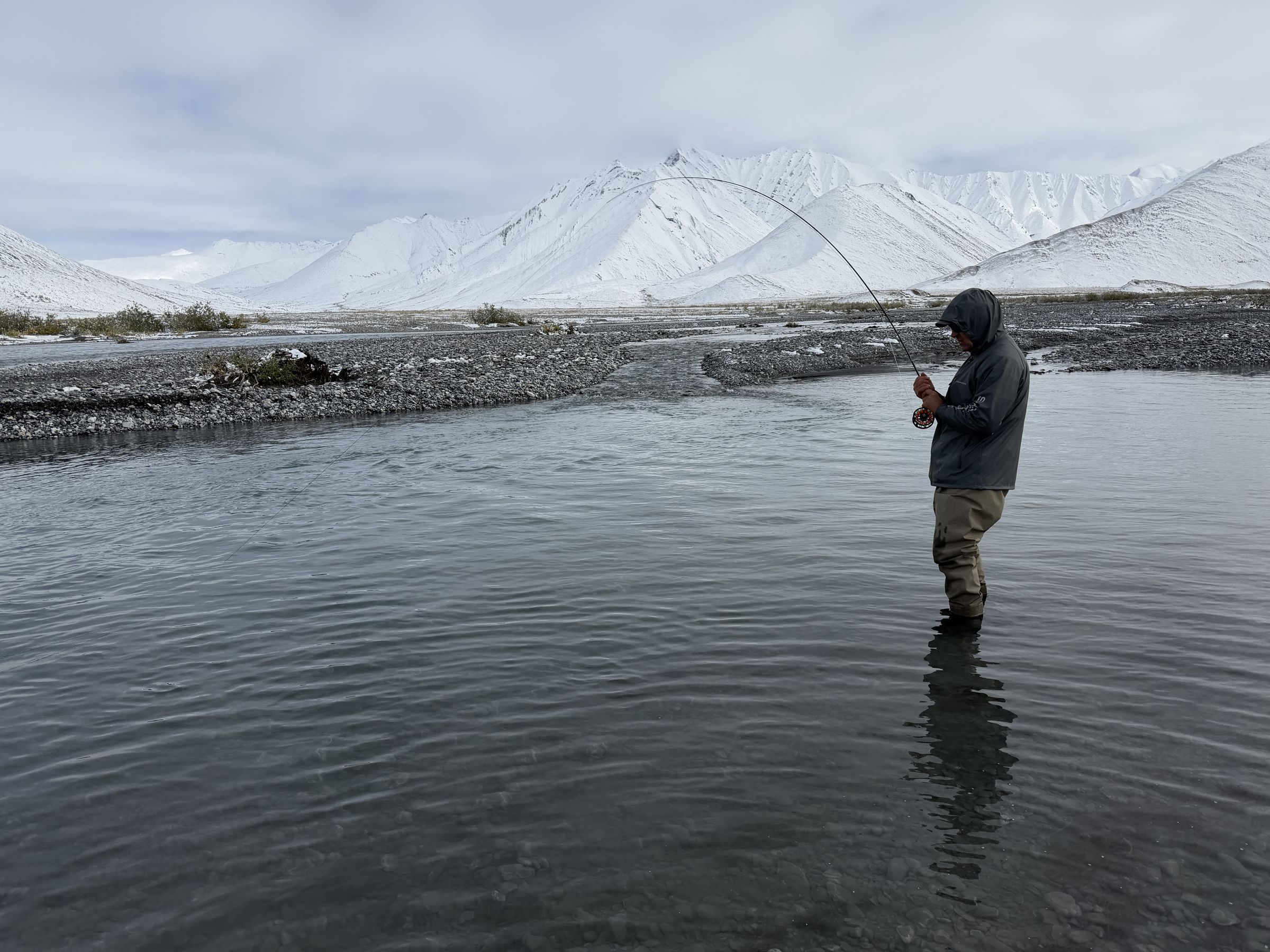
The season changes quickly during these weeks. By September, the tundra is turning toward fall color and nights are returning after the long Arctic summer. Later departures can bring freezing temperatures and snow, so being prepared for cold weather is part of the trip. We time these trips around the fish, but the changing landscape is very much part of the experience.
Tell us what you are hoping for from a trip and we will talk it through. Sometimes the right river is obvious, sometimes the choice is harder.