Sheefish Fly Fishing in Arctic Alaska
The Kobuk River flows west along the southern flank of the Brooks Range. Its headwaters lie in Gates of the Arctic National Park and Preserve, and it drains one of the largest roadless regions in Alaska. Broad gravel bars, forested riverbanks, and distant mountains define much of the upper river.
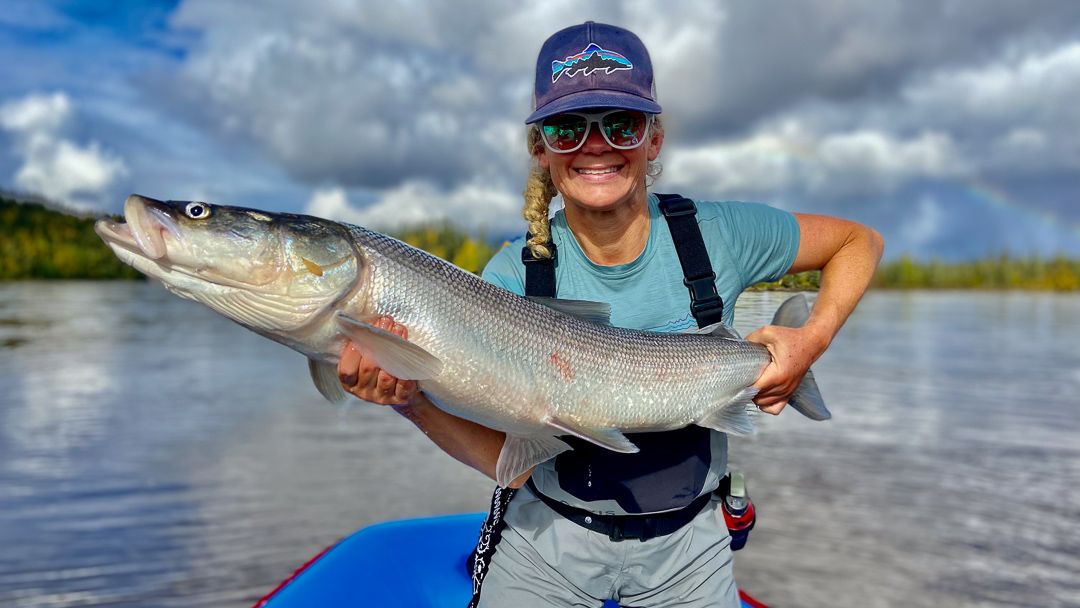
Sheefish are the reason many anglers first become interested in the Kobuk. These large predatory whitefish move upstream from the brackish waters of Hotham Inlet each summer to feed and spawn. By early August, the spawning population has begun to arrive in the vicinity of the Pah River, and the numbers build throughout August and September. Fish around 20 pounds are regularly caught, and 30 pounds is possible. They are powerful, aggressive, and remarkably willing to chase a fly.
Each departure offers a different experience as the river, weather, and sheefish migration change throughout the season.
Trips are limited to four guests, with a maximum of two guests per guide. Listed prices are per person and based on double-occupancy bookings. Two guests share a tent. Solo bookings may be possible at an adjusted rate, or on a conditional basis if another solo guest can be matched for the same departure.
Dates
Length
Guided Float
Bush Flights
Total per person
Availability
August 6–14, 2027
9 days / 8 nights
Length
9 days / 8 nights
$6,636
Guided Float
$6,636
$5,064
Bush Flights
$5,064
$11,700
Total per person
$11,700
4 seats
Availability
4 seats
September 13–19, 2027
7 days / 6 nights
Length
7 days / 6 nights
$5,836
Guided Float
$5,836
$5,064
Bush Flights
$5,064
$10,900
Total per person
$10,900
4 seats
Availability
4 seats
September 22–27, 2027
6 days / 5 nights
Length
6 days / 5 nights
$5,436
Guided Float
$5,436
$5,064
Bush Flights
$5,064
$10,500
Total per person
$10,500
4 seats
Availability
4 seats
Location
Kobuk River, Gates of the Arctic National Park and Preserve
Trip length
6–9 days for 2027 departures
Group size
Maximum 4 guests, with a maximum 2:1 guest-to-guide ratio
Primary fishing
Sheefish, Arctic grayling, and northern pike
Fishing methods
Primarily streamer fishing for sheefish; dry flies and small streamers for grayling; streamers and topwater flies for pike
Access
Bush-plane access to the upper Kobuk; bush-plane pickup at Kobuk Village
August: Warmer weather and a mix of species
Sheefish generally begin reaching the upper river by early August and are present in catchable numbers in the vicinity of the Pah River. It takes a few days to get in range of sheefish from our put-in at Lake Minakakosa. We’ll spend that time fishing for grayling and hunting pike in the sloughs. Once we reach the Pah, sheefish become our primary focus as we continue downstream toward Kobuk Village.
Early August generally means milder weather, long daylight, and, with any luck, low and clear water conditions. We’ll spend nine days working our way downstream to Kobuk Village. This trip proceeds at a relaxed pace, with plenty of time to fish, wander the gravel bars, and enjoy some great riverside camping.
Mid-September: Cooler weather and increased sheefish numbers
By mid-September, the annual sheefish migration is beginning to peak in the upper Kobuk. Large numbers of fish have moved above the Pah River and are staging for spawning. That allows us to begin targeting sheefish earlier in the trip and spend considerably more of our time focused on them. Grayling and pike are still there when we want a change of pace, but this departure is built around sheefish.
Fall is well established by this point. The tundra has changed color, nights are longer and colder, and fresh snow may begin appearing in the Brooks Range. With seven days on the river, we’ll move a little faster than on the August trip, concentrating our fishing time on the most productive water as we work downstream toward Kobuk Village.
Late September: Cold weather and sheefish focused
Late September typically puts us on the water near peak sheefish numbers, just before the spawn gets underway. The schedule is more compressed, with a downstream put-in intended to get us on sheefish as quickly as possible. Grayling and pike are still present and viable targets, but this trip is really built to maximize the opportunity to cast big flies at big sheefish.
This is the latest trip we offer on the Kobuk, and it may very well start to feel like the Arctic. Daylight is noticeably shorter, and temperatures below freezing are likely. The yellows and reds of fall will have given way to bare branches and a snowline steadily advancing down the mountain slopes. It’s a short, focused trip for anglers willing to accept colder and less predictable conditions in exchange for spending as much of their time as possible fishing for sheefish.
Sheefish are the primary target, but where we begin fishing for them depends on the departure. Our August and mid-September trips start at Lake Minakakosa, with grayling and pike fishing as we work toward sheefish water. The late-September trip starts farther downstream to put us closer to sheefish from the beginning.
Wade fishing is fairly limited, but we will take advantage of opportunities to do so when water levels and terrain allow. The Kobuk is big enough that much of the fishing will take place from the rafts. Our boats are set up drift-boat style, with one angler in the front and another in the back. This provides plenty of casting room and allows each angler to fish as much as they like. As is the case with many northern rivers, fish are not distributed equally throughout the river. We’ll use the rafts to move between the most productive spots, always with an eye out for a grayling rise or a promising current seam.
Keeping a rod rigged for grayling and another ready for sheefish and pike makes it easy to swap back and forth as we float through different sections of the river.
For sheefish, large streamers are the standard approach. An 8- or 9-weight rod provides enough backbone for throwing big flies and handling large fish, while sink-tip lines help get flies into the right zone. Sheefish hit hard and fight well, and because fish around 20 pounds are regularly caught, the tackle needs to be built around them rather than the occasional smaller fish.
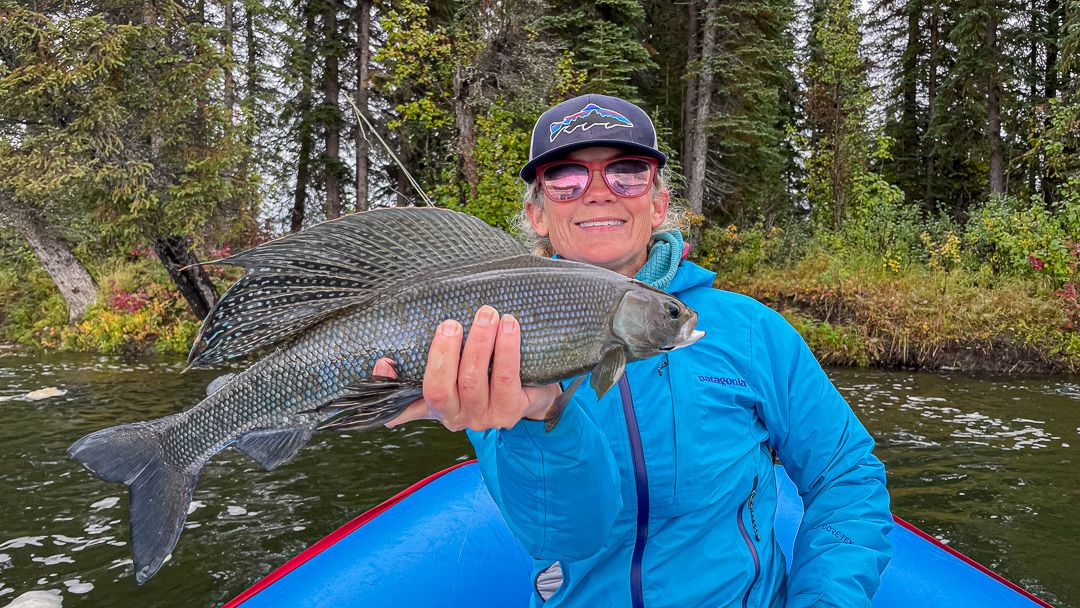
Arctic grayling provide the most consistent fishing throughout the river. They’ll readily chase smaller streamers, but when conditions cooperate, fishing for them with dry flies is highly entertaining and provides a nice break from throwing the heavier rigs needed for sheefish and pike. 3- and 4-weight rods are perfect for grayling. We’ll look for pockets of grayling around small tributaries and side channels.
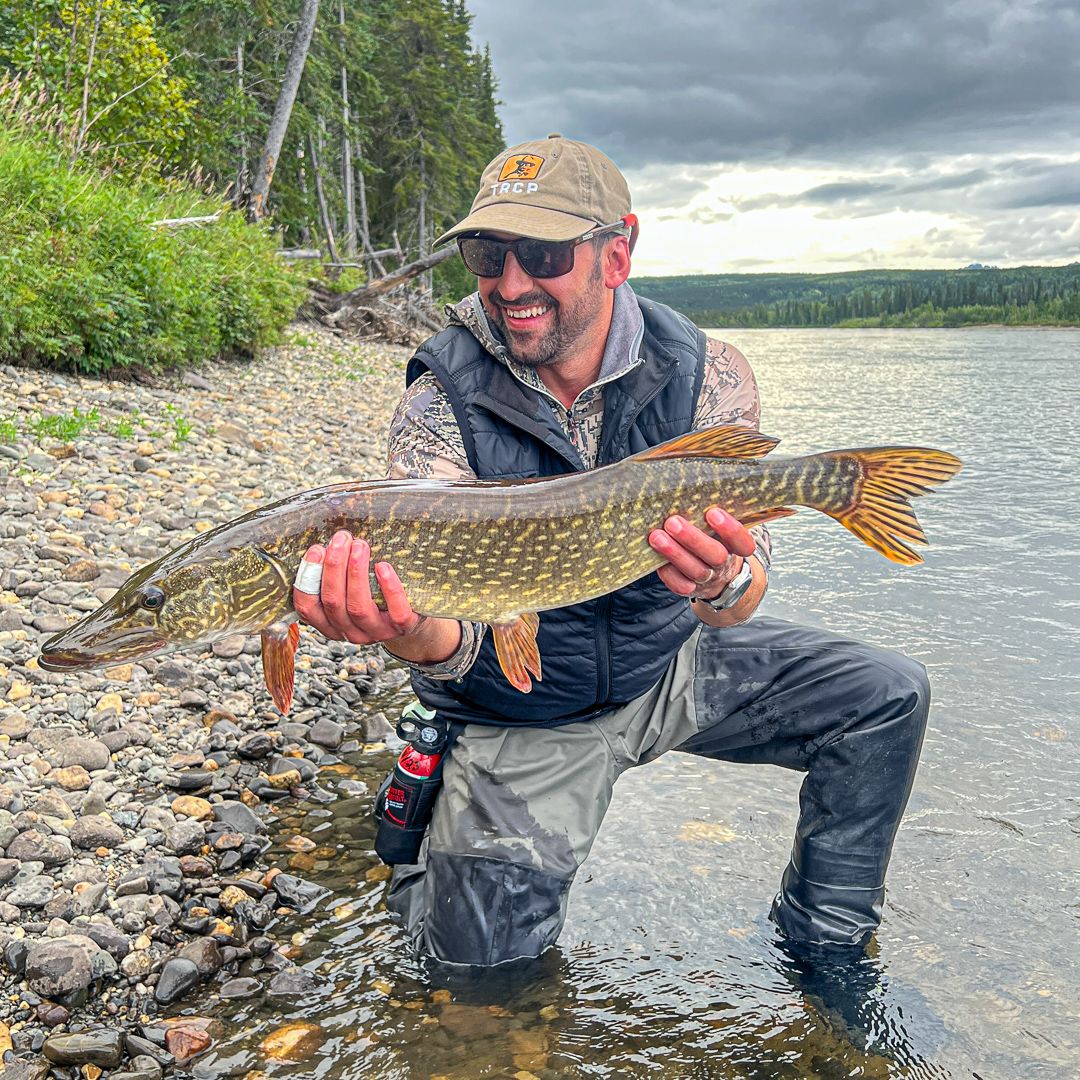
Northern pike occupy the sloughs and backwaters connected to the main river. We’ll frequently pull in to explore these sloughs, particularly for the first couple of days before we reach sheefish water. Streamers work well, and pike are often willing to attack large topwater patterns, which can result in some explosive action.
There are even a few lake trout to be found. And when the casting arm needs a break, the scenery is worthy of some attention.
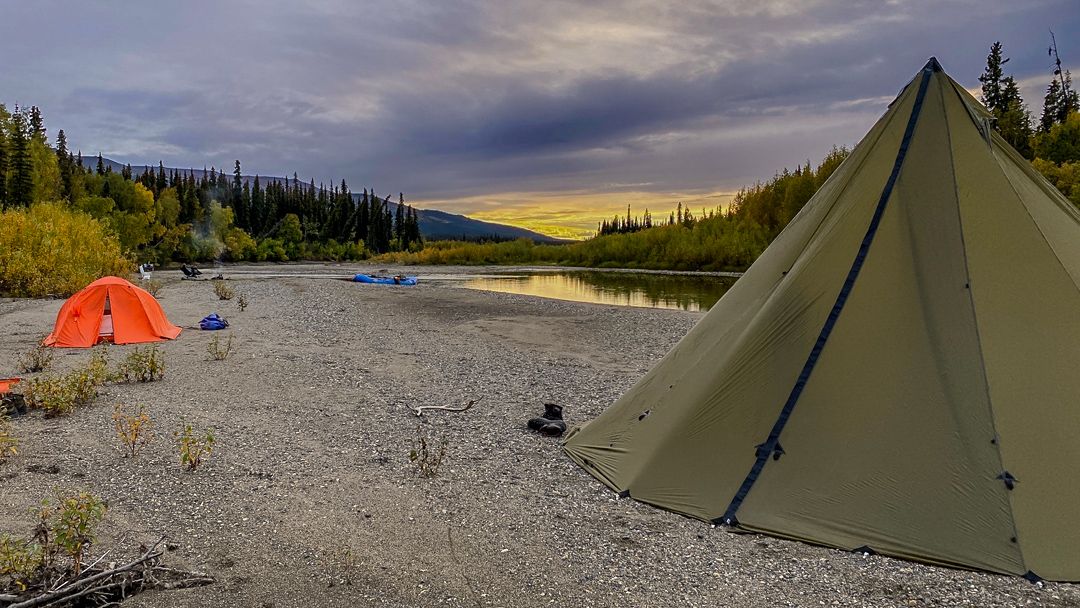
Most days begin with breakfast and coffee in camp before we pack the boats and head downstream. We fish as we travel, stopping to work promising water or explore a side channel. Some stretches invite a few more casts; others are a chance to sit back and watch the country go by.
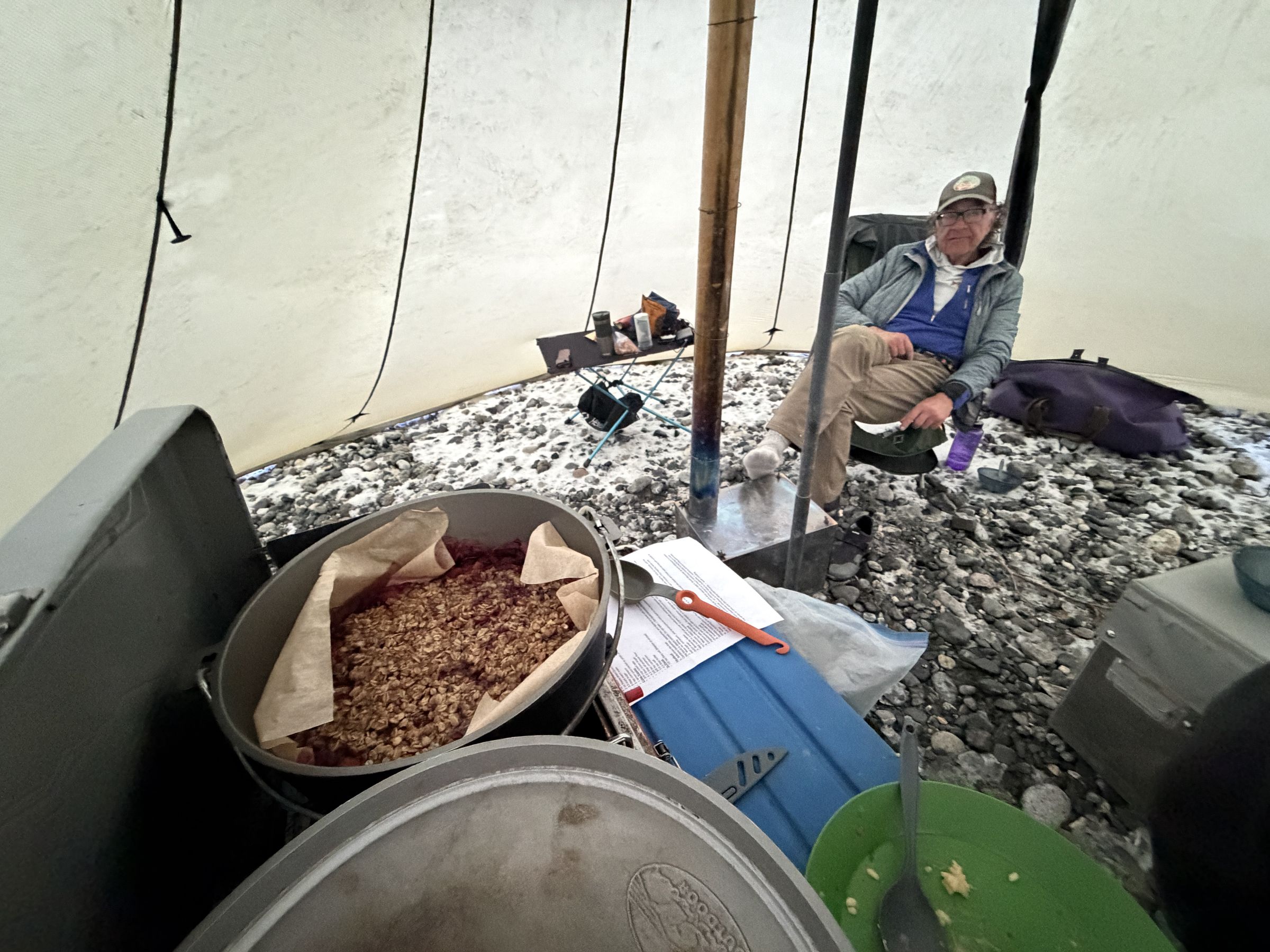
Once we reach camp, guides set up tents and prepare dinner. Guests can keep fishing, wander the gravel bar, or settle into a chair by the river. How long we spend in each place depends on the fishing, the weather, and the miles ahead.
Our August and mid-September trips begin at Lake Minakakosa, a small lake located north of the river. From the lake, we’ll follow a small outflow into Beaver Creek, then float roughly 13 miles down Beaver Creek to its confluence with the Kobuk. From there, we begin working our way west toward Kobuk Village. The late-September trip starts farther downstream, shortening the distance we need to cover and putting us closer to the heart of the sheefish fishing from the beginning.
The Kobuk flows through a broad valley along the southern flank of the Brooks Range. The river frequently divides into multiple channels around long gravel bars and wooded islands, with excellent views of the mountains to the north. Gravel bars provide great camps throughout this section.
Depending on the length of the trip, we’ll cover 8 to 12 miles of river each day as we move between camps.
The Pah is a significant tributary of the Kobuk, its dark, tannic water flowing in from the low mountains south of the river. The Kobuk increases in size below the Pah, and the current slows as the channels get larger. Abundant gravel bars continue to offer good camping, and some of the best mountain views are found in this part of the river. The float ends at Kobuk Village, a small Iñupiat community on the river, where we’ll meet a bush plane for the return flight to Coldfoot.
Kobuk trips do not require exceptional fitness or technical outdoor skills, but guests should be comfortable spending six to nine days living and traveling outside in remote Arctic conditions. Getting in and out of rafts, walking over uneven gravel bars, crawling in and out of tents, and dealing with cold or wet weather are all part of the trip. Guides take care of camp chores like setting up tents, cooking, and boat handling.
Most fishing takes place either from the rafts or from gravel bars and riverbanks. Wade fishing opportunities are limited, and there is very little required hiking. Guests should have reasonable mobility and balance, but the Kobuk is generally less physically demanding than a trip built around significant off-river travel.
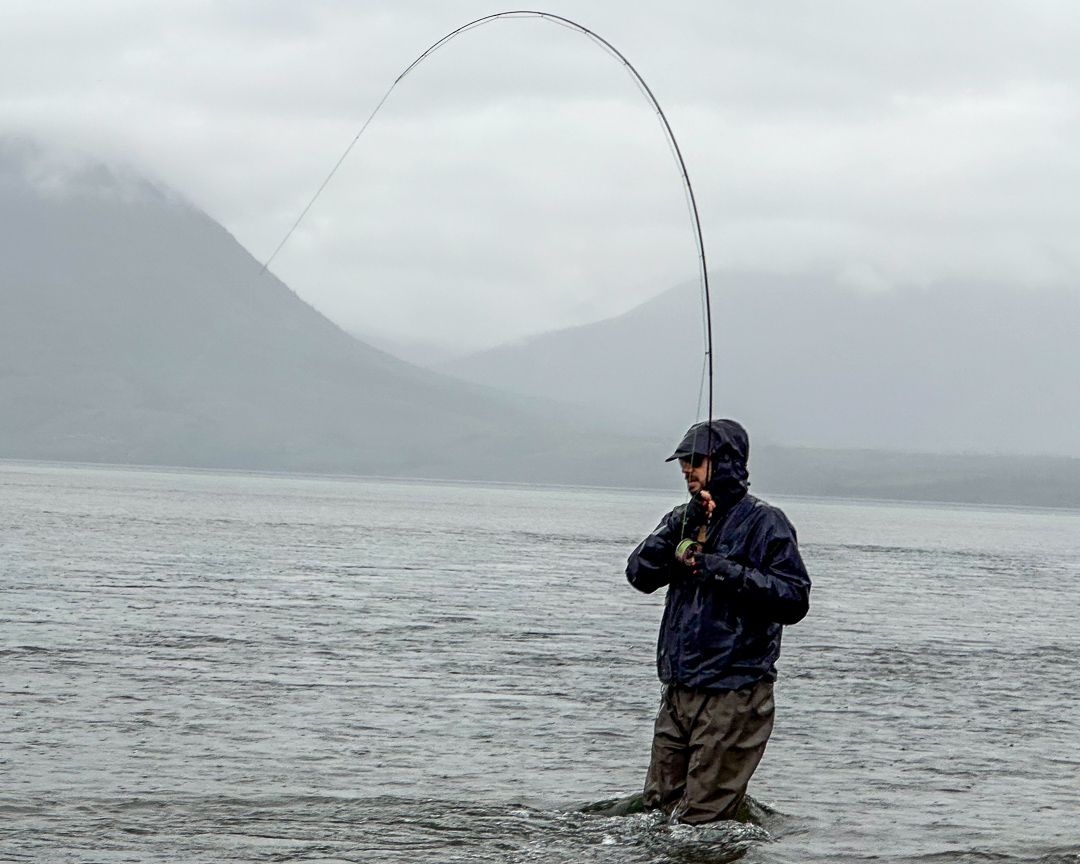
Weather becomes a more important consideration as the season progresses. August can be relatively mild, but cold rain and strong winds are always possible. By September, freezing temperatures become increasingly likely, and our final trip of the season can encounter snow and sustained cold. Guests need appropriate clothing and equipment and should arrive prepared to remain comfortable in cold, wet, and windy conditions for extended periods.
Reasonable mobility, a willingness to live outside for a week or more, and patience and flexibility when the weather changes are important parts of enjoying the trip.
Kobuk trips stage from Coldfoot, a small community on the Dalton Highway about 250 miles north of Fairbanks. On the morning of the first day, guests fly by bush plane from Coldfoot to our put-in on the upper Kobuk. The flight crosses the southern Brooks Range and provides a spectacular introduction to the country we’ll spend the next week or more traveling through. As with all bush flying in the Arctic, weather and aircraft availability dictate the exact timing, and some flexibility is always necessary.
Depending on the departure, we’ll spend six to nine days floating downstream to Kobuk Village. At the end of the trip, we’ll break down the rafts and meet a bush plane for the return flight to Coldfoot. Guests generally overnight in Coldfoot before flying back to Fairbanks the following day.
Travel to and from Alaska, lodging in Fairbanks and Coldfoot, and commercial flights between Fairbanks and Coldfoot are not included in the trip price. Remote Waters provides detailed travel instructions and helps coordinate the necessary connections before the trip.
Remote Waters provides each guest with a detailed packing checklist well before the trip, including recommendations for clothing, fishing equipment, sleeping gear, and other personal items needed for Arctic conditions.
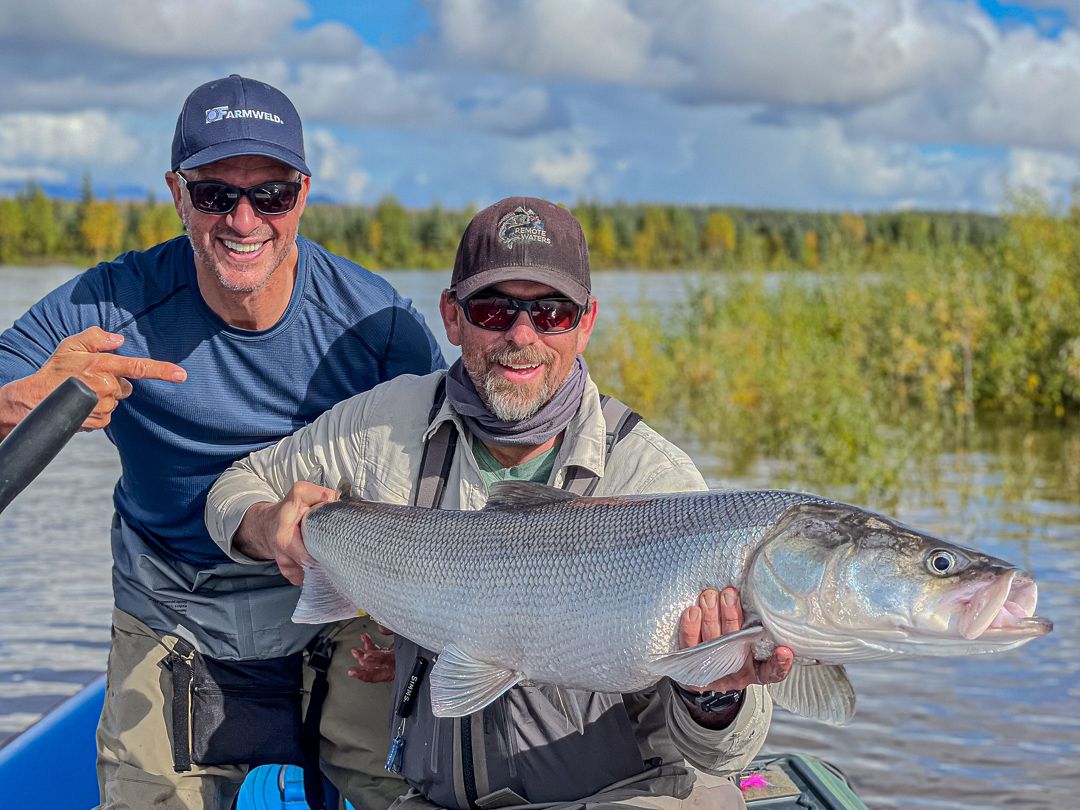
My first time on the Kobuk was a solo trip, chasing a fish I knew only by reputation and rumor. That trip changed the direction of my guiding career, drawing me north into an Arctic landscape that I’ve fallen in love with. Since that first trip, I’ve returned each season and learned a little more about its rhythm and fish runs.
From low flows and crystal clear water to prolonged rain and high water, I’ve seen several different faces of the Kobuk River. But I definitely haven’t seen all of them, and I never know what I’m going to get until we actually get to the river. That’s one of the many reasons I keep coming back.
Greg Halbach
Greg Halbach · Owner & Head Guide
Tell us what you are hoping for from a trip and we can talk through the options.